Preišči ta spletni dnevnik

Prikaz objav z oznako Modernism. Pokaži vse objave

ponedeljek, 6. maj 2013

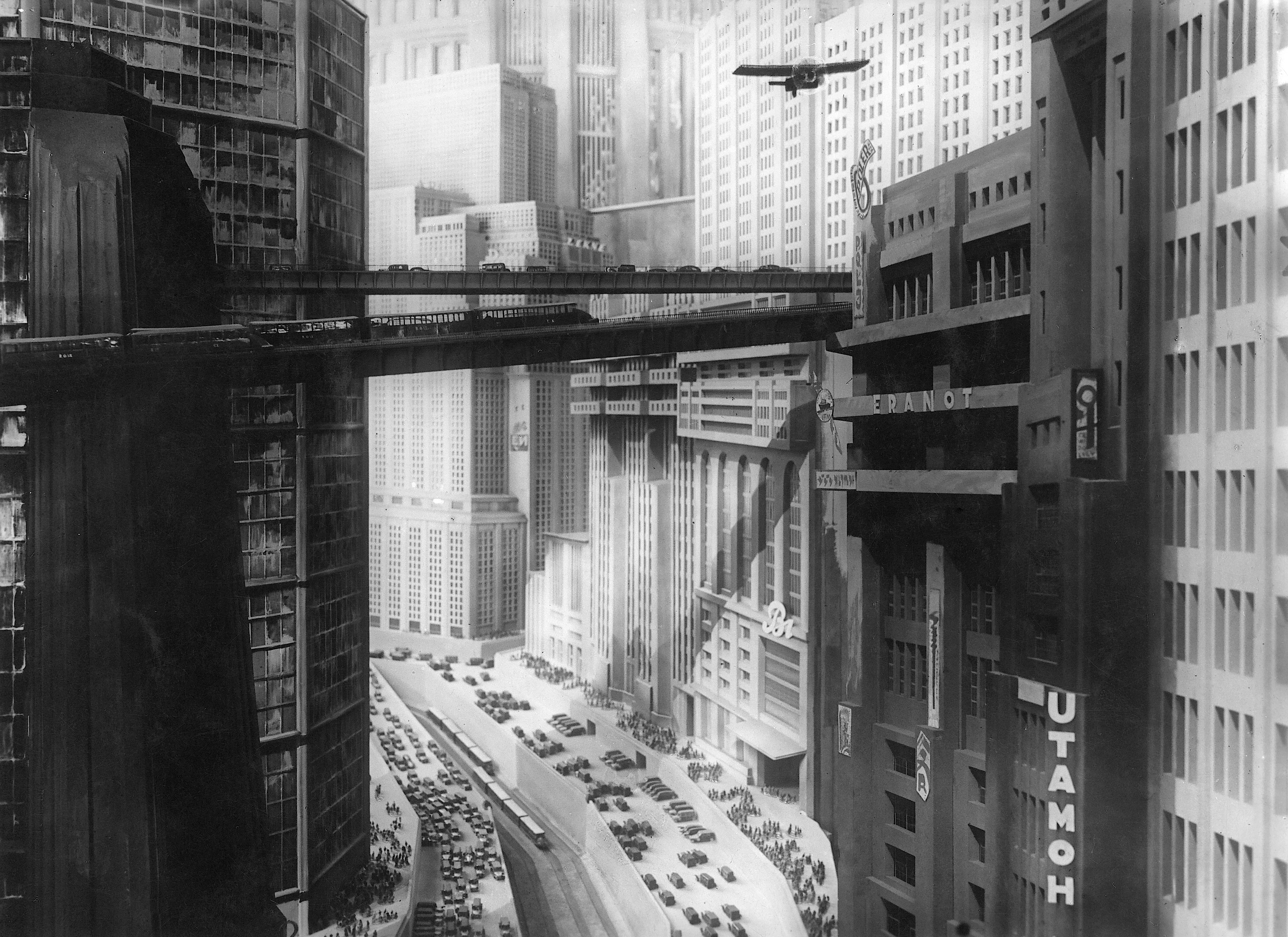
Moderni subjekt in mesto


Kader iz Langovega Metropolisa. Vir: klik.
Ker je imela moč monetarne ekonomije prosto pot v metropoli in so bile njene posledice tam najbolj očitne, si je urbana moderna v drugi polovici devetnajstega stoletja hitro pridobila sloves objektiviziranega okolja, brezbrižnega do vrednosti [vrednot]. Bila je živa reklama za kulturo, ki poganja onstran vsega osebnega. Tu, v stavbah in izobraževalnih ustanovah, v čudežu in udobju tehnologije, ki si je podjarmila prostor, v ureditvah skupnega življenja in v vidnih državnih institucijah, tu se je ponujalo takšno nepremagljivo bogastvo kristaliziranega, neosebnega razuma, da osebnost, kakršna je bila, soočena z njim ni mogla vzdržati. (Georg Simmel: The Metropolis and Mental Life, 410)
Bart Keunen: Living with Fragments: World Making in Modernist City Literature. V: Astradur Eysteinsson & Vivian Liska (eds.): Modernism. Amsterdam/Philadelphia: John Benjamins Publishing Company 2007; str. 273


____________________________________________________________________________


Because the power of the money economy had a free reign in the metropolis and its implications were most clearly visible there, urban modernity during the second half of the nineteenth century quickly gained the reputation of being an objectified environment, indifferent to values. It was the genuine showplace of this culture which grows beyond all that is personal. Here, in buildings and educational institutions, in the wonders and comforts of space-conquering technology, in the formations of communal life and in the visible state institutions, there is offered such an overpowering wealth of crystallised, impersonalised mind that the personality, as it were, cannot maintain itself when confronted with it. (Simmel [1950], 410)

nedelja, 3. marec 2013

Avantgardistični manifest in jezik

V svoji analizi futurističnih manifestov Marjorie Perloff opisuje prelom s političnim manifestom kot »transformacijo oblike, ki je bila tradicionalno razumljena kot sredstvo politične izjave, v literarni, lahko bi to imenovali tudi kvazi-poetični konstrukt« (Perloff [1986]*, 82). […] S preoblikovanjem zgodovinskega dogodka, ki ga je tradicionalno najavljal politični manifest, v poetični dogodek zgodovinske avantgarde definirajo jezik kot gonilno silo zgodovine, s tem pa je revolucionarna akcija neločljivo zvezana z jezikovno izvršitvijo samega manifesta: manifest je istočasno napoved in izvršitev lastne revolucionarne akcije.
Benedikt Hjartarson: Myths of Rupture: The Manifesto and the Concept of Avant-Garde. V: Astradur Eysteinsson & Vivian Liska (eds.): Modernism. Amsterdam/Philadelphia: John Benjamins Publishing Company 2007; str. 178–179

____________________________________________________________________________________

In her analysis of the futurist manifesto, Marjorie Perloff has described the break with the political manifesto as “the transformation of what had traditionally been a vehicle for political statement into a literary, one might say, a quasi-poetic construct” (Perloff [1986], 82). […] By transforming the historical event traditionally declared in the political manifesto into a poetic event, the historical avant-garde defines language itself as the driving force of history, thus making revolutionary action inseparable from the linguistic performance of the manifesto itself: the manifesto is simultaneously the declaration and the execution of its own revolutionary action.

_______________________


* Marjorie Perloff. 1986. The Futurist Moment. Avant-Garde, Avant Guerre and the Language of Rupture. Chicago, London: Chicago University Press

ponedeljek, 25. februar 2013

Moderna in globalizacija


Vprašanje o globalizaciji ostaja konec koncev tesno povezano s plodovito debato o moderni dobi in umetniškem modernizmu ter njunih individualnih zgodovinskih smereh. Na tem mestu moramo priznati, da se politični in kulturni razvoj 90. let 20. stoletja ni pretirano oziral na samozavestne napovedi postmodernistov, da se moderna zaključuje, kaj šele na zmagoslavne trditve o koncu zgodovine (Fukuyama [1992]*). Pomagalo ni niti enačenje moderne in včasih celo modernizma s fašizmom, totalitarizmom in genocidom. Prav nasprotno, moderna je danes (in je bila že lep čas) povsod in diskurz o postmoderni se zdi samo kot epizoda (četudi pomembna) znotraj neke vrste transformacije Zahodne moderne same. Problem ni več nasprotje med moderno in postmoderno, pa čeprav je to neizbežno poenostavljeno nasprotje še vedno osnova večine trenutno priljubljenega proti-modernega mišljenja, ki izhaja iz ozkega razumevanja postkolonialnih metod. Ampak je problem to, kar je Arjun Appadurai** poimenoval moderna-za-vse [modernity-at-large] in kar so nekateri opisali kot alternativne moderne: »[Moderna] ni prišla hitro, ampak počasi, korak za korakom, znotraj longue durée – prebujena s stikom; prinesena s trgovino; uvajali so jo imperiji in nosila je kolonialistični podpis; gnal jo je nacionalizem; in danes jo vse večkrat upravljajo globalni mediji, migracija in kapital« (Gaonkar [1999]***, 1). 
Andreas Huyssen: Modernism at Large. V: Astradur Eysteinsson & Vivian Liska (eds.): Modernism. Amsterdam/Philadelphia: John Benjamins Publishing Company 2007; str. 57


_____________________________________________________________________________________


After all, the issue of globalization remains very much tied up with the rich debate about modernity and aesthetic modernism and their respective historical trajectories. And here we need to acknowledge that the political and cultural developments of the 1990s have not been kind to the postmodernists’ confident prediction that modernity was at an end, let alone the even more triumphalist claim that history had ended (Fukuyama [1992]). Nor has the equation of modernity and sometimes even modernism with fascism, totalitarianism, and genocide been very helpful. On the contrary, modernity is now (and has been for some time) everywhere, and the discourse of postmodernity seems only an episode (if a significant one) within a certain transformation of Western modernity itself. The issue is no longer modernity versus postmodernity, even though this inevitably reductive binary still underlies much of the currently popular anti-modernity thinking that emerges from a narrowly understood postcolonial approach. The issue is rather what Arjun Appadurai has identified as modernity-at-large, and what others have described as alternative modernities. As Dilip Gaonkar wrote in a recent special issue of Public Culture on alternative modernities: “It [modernity] has arrived not suddenly but slowly, bit by bit, over the longue durée — awakened by contact; transported through commerce; administered by empires, bearing colonial inscriptions; propelled by nationalism; and now increasingly steered by global media, migration, and capital”(Gaonkar [1999], 1).


____________________________

* Frances Fukuyama. 1992. The End of History and the Last Man. New York: Free Press. Knjiga je v pdf-ju dosegljiva tukaj.
** Arjun Appadurai. 1996. Modernity at Large: Cultural Dimensions of Globalization. Minneapolis, London: Minnesota University Press. Knjiga je v celoti dosegljiva preko aplikacije Google Knjige: tukaj.
*** Dilip Gaonkar (ed.). 1999. On Alternative Modernities. Public Culture. 11.1: 1–18. Knjiga je v celoti dosegljiva preko aplikacije Google Knjige: tukaj.

____________________________


P.S.

Če ve kdo za kak boljši/ustreznejši/uveljavljen prevod izraza "modernity-at-large", naj mi, prosim, javi. Tudi za kakšne druge popravke tistih, ki ste vešči angleščine, se priporočam. Pa hvala za branje oziroma spremljanje.